Sushi has earned a reputation as one of the world’s “healthiest” fast foods — and on paper, it often looks that way.
Raw fish. Seaweed. Rice. A bit of soy sauce. It feels light, minimal, and beautifully balanced.
But not all sushi is created equal.
And when we talk about sushi in Scandinavia, we’re often talking about something quite different from the traditional Japanese meal it’s inspired by.
So how healthy is sushi — really? And what do you need to know about carbs, fish quality, calories, and contaminants before calling it a clean choice?
Let’s break it down.
Traditional sushi vs. Western sushi
In Japan:
• Portions are smaller
• Fish is the star of the show
• Minimal rice, minimal sauces
• Rice is lightly seasoned, never sweet
• Served as part of a varied diet
In Scandinavia (and much of the West):
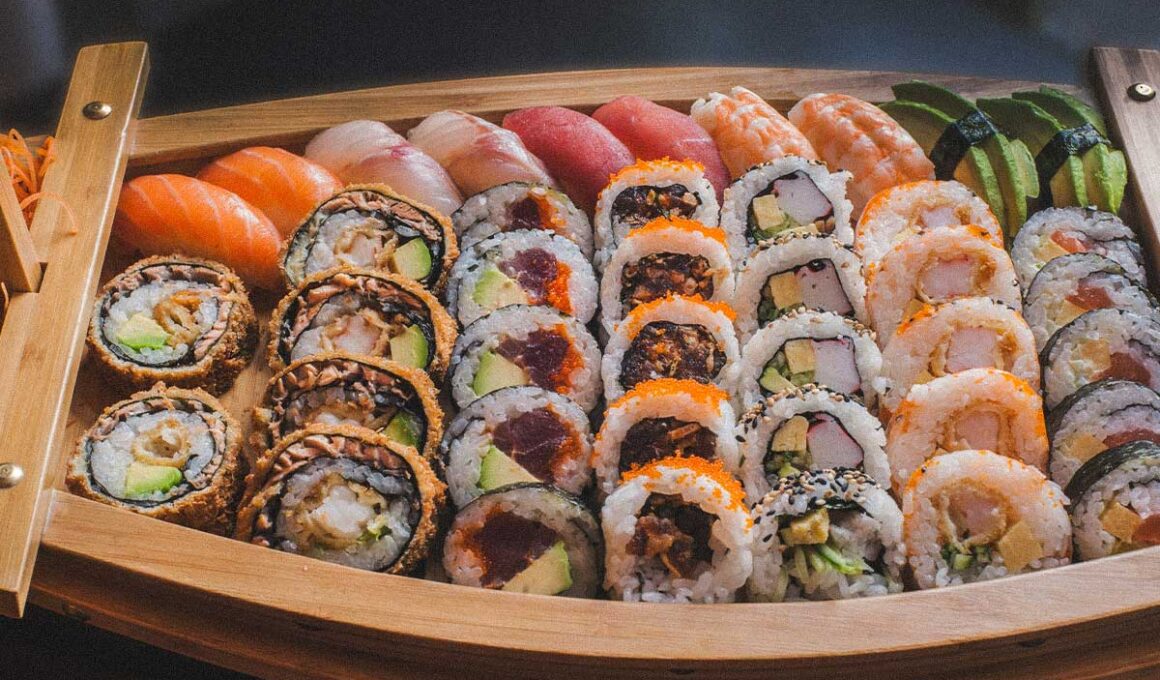
• Rolls are larger, often deep-fried or heavily sauced
• Rice content is much higher — up to 75% of the roll
• Fish quality varies widely, with frequent use of farmed salmon or imitation crab
• Added sugar in rice, mayonnaise in fillings, and often fusion formats like “California rolls,” “crispy tempura,” or “spicy tuna with chili mayo”
Result:
While Japanese sushi is closer to a high-protein, moderate-carb meal with healthy fats, Scandinavian sushi often ends up being a carb-heavy, high-calorie takeout food — closer in effect to a sandwich or pasta bowl.
The nutrition: not as light as you think
Here’s a breakdown of a typical 8-piece Scandinavian-style sushi roll (e.g. salmon avocado roll):
| Nutrient | Approx. amount |
|---|---|
| Calories | 350–450 kcal |
| Carbohydrates | 50–60 g |
| Protein | 12–15 g |
| Fat | 10–14 g |
| Sugar (from rice + sauces) | 4–6 g |
| Sodium (w. soy sauce) | 800–1200 mg |
That’s just one roll. Many people eat two rolls plus soy sauce and extras, taking you well over 800–1000 kcal and into blood sugar spike territory.
Farmed salmon: know your source
In Japan, sushi chefs source fish directly from specialised markets, and there’s a cultural reverence for seasonal, high-quality seafood.
In Scandinavia, the most common sushi fish is Norwegian farmed salmon — and while it’s widely available, not all farmed salmon is equal.
Studies have found that:
- Farmed salmon can contain higher levels of omega-6 fatty acids (which promote inflammation when imbalanced with omega-3)
- Poorly managed farms may use antibiotics and artificial pigments, and fish are often raised in overcrowded conditions
- Persistent organic pollutants (POPs), such as PCBs and dioxins, have been found in some samples — although levels have improved in recent years due to tighter regulation
Tip:
Ask your local sushi restaurant if they use ASC-certified or organic salmon. Opt for wild-caught fish when available.
Mercury and heavy metals
While salmon is relatively low in mercury, other common sushi fish like tuna can pose a bigger concern.
According to the EFSA (European Food Safety Authority) and US FDA, large predatory fish like bluefin tuna, swordfish, and king mackerel tend to accumulate mercury — a neurotoxin especially concerning for pregnant women, children, and high consumers of raw fish.
Safe strategy:
Eat tuna in moderation and rotate with lower-mercury options like wild salmon, shrimp, scallop, or trout.
What about the seaweed?
Nori (dried seaweed) is often overlooked, but it’s one of the most nutrient-dense ingredients in sushi.
A single sheet contains:
- Iodine (supports thyroid health)
- Magnesium, calcium, zinc
- B vitamins, including folate
- Lignans and antioxidants
However, eating seaweed in very large quantities (especially kelp) can lead to excessive iodine intake, which may disrupt thyroid balance.
But in typical sushi amounts? It’s a nutritional bonus.
Is sushi still healthy?
It can be — but it depends.
Sushi is healthiest when it’s:
• Rich in high-quality raw fish or seafood
• Light on rice, or served as sashimi
• Free from deep-fried coatings or sugary sauces
• Accompanied by vegetables, not just carbs
• Made with clean, traceable ingredients
Sushi is less healthy when it’s:
• Dominated by white rice (especially more than 2 rolls)
• Dripping in mayonnaise, sweet sauces or fried tempura
• Made with low-grade or mystery fish
• Your go-to meal three times a week
Our thoughts…
Sushi isn’t a health food by default — but it’s also not junk food.
Like many globalised dishes, its nutritional value depends on how it’s made, where it’s sourced, and how often you eat it.
The best strategy?
Appreciate sushi as it was originally intended: with restraint, balance, and a focus on quality.
Eat slowly. Choose fresh. Enjoy the ritual. And don’t be fooled by the bamboo mat and wasabi — not all sushi is what it seems.