Not long ago, the night meant something else.
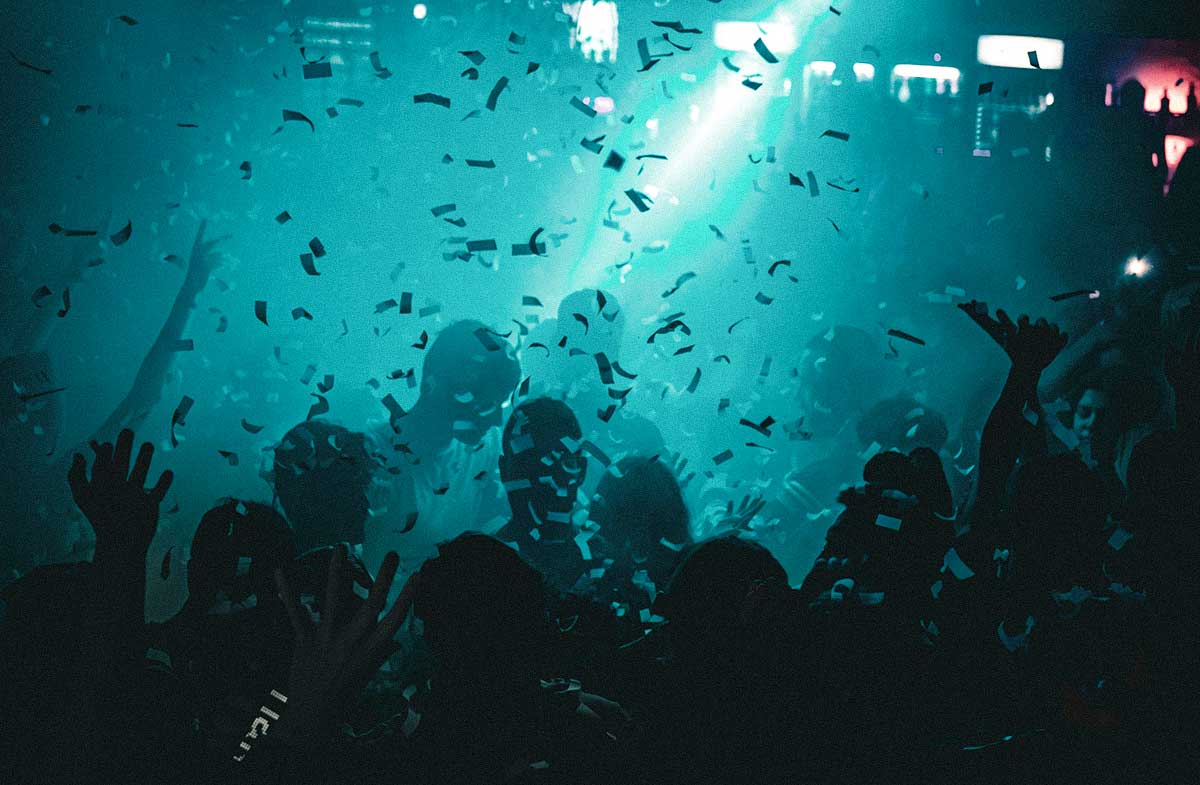
Bars stayed open late. Clubs were packed. The music was loud, and the drinks kept coming. Weekends were built around it. So were friendships, romances, even entire identities.
But in 2025, something is shifting — and not just in one city or one country. From London to Copenhagen, from Singapore to New York, a growing number of people are quietly stepping away from the traditional nightlife scene.
The question is no longer whether nightlife is evolving. It’s whether nightlife as we knew it is dying — and what, if anything, is taking its place.
The slow fade of club culture
London, once home to legendary nights out, is now seeing more venues close than open.
A recent report showed that the UK has lost over a third of its nightclubs in the last decade. The pandemic accelerated the decline, but it didn’t start it.
As writer Tom Lamont noted in The Guardian, parties haven’t “bounced back” the way people expected. In fact, many simply didn’t return at all. Younger generations are drinking less, socialising differently, and choosing slower, more contained ways to connect.
And it’s not just the UK.
In Singapore, a country once eager to establish itself as a regional nightlife capital, bars and clubs are now struggling to stay open. The clientele is thinning out. Tourists aren’t showing up like they used to. Locals are spending their evenings elsewhere — or at home.
The slow fade of club culture
London, once home to legendary nights out, is now seeing more venues close than open.
A recent report showed that the UK has lost over a third of its nightclubs in the last decade. The pandemic accelerated the decline, but it didn’t start it.
As writer Tom Lamont noted in The Guardian, parties haven’t “bounced back” the way people expected. In fact, many simply didn’t return at all. Younger generations are drinking less, socialising differently, and choosing slower, more contained ways to connect.
And it’s not just the UK.
In Singapore, a country once eager to establish itself as a regional nightlife capital, bars and clubs are now struggling to stay open. The clientele is thinning out. Tourists aren’t showing up like they used to. Locals are spending their evenings elsewhere — or at home.
What changed?
It’s easy to blame rising costs, early curfews, or stricter licensing — and they all matter.
But this shift runs deeper. It’s cultural.
Safety and affordability matter more. In many cities, the cost of a night out is simply too high — not just financially, but emotionally and physically.
Young people are drinking less. Gen Z is redefining the idea of a night out. Where millennials romanticised blurry nights and wild stories, today’s younger crowd is more interested in health, control, and connection.
Social media replaced the dance floor. Many of the things people once went out for — attention, validation, meeting new people — now happen online. The dopamine hit is just a scroll away.
Work-life priorities have shifted. With remote work and a focus on balance, the idea of staying out until 4am only to crash through your Monday isn’t as appealing anymore.
The rise of “softer” nights
In Scandinavia, new bar concepts are emerging — ones that focus on games, shared experiences, and connection rather than alcohol and loud music.
Think: stylish interiors, communal tables, maybe a shuffleboard or two. Less vodka shots, more kombucha and craft soda.
It’s nightlife, yes — but rebranded for people who don’t want to be hungover, anxious, or overstimulated.
So, is it over?
Not quite.
Nightlife isn’t dead. But the classic formula — loud music, heavy drinking, late hours — is losing its grip on younger audiences.
The demand is shifting towards something slower, more mindful, more meaningful.
We’re entering a new era where “going out” doesn’t always mean getting wasted or going deaf. It might mean a sound bath. A supper club. An underground art show. A rooftop with good lighting and soft music where you can actually hear your friends speak.
In some ways, it’s more grown-up. In others, it’s just honest.
People still want to connect — they’re just tired of pretending that nightlife, as it used to be, is the only way to do it.
Nightlife, like every cultural institution, is evolving with the times.
And just like smoking indoors or renting DVDs, the old way of going out might soon become a nostalgic memory.
That doesn’t mean we’ve stopped having fun.
It just means the fun looks different now.